Everyone wants a shortcut. Stick a patch on, burn fat while you sleep. We were skeptical too — so we ran a 12-week structured audit on the top 5 patches to find out which ones actually deliver measurable results, and which ones are just adhesive marketing.
Independent Audit Notice: Our research team invested thousands of dollars purchasing and independently testing every product in this comparison. We strictly refuse free samples or brand sponsorships to ensure our data and final rankings remain 100% objective, unbiased, and focused entirely on consumer value.
You've seen the ads. A patch on the arm, a flat stomach 30 days later. Maybe you even tried one — stuck it on religiously every morning for three weeks, checked the scale, and saw nothing. The patch fell off in the shower. The ingredients list said "proprietary blend" with no dosages. You threw the box away and moved on. That's the standard experience with weight loss patches, and it's the reason the entire category has a credibility problem.
To separate real transdermal delivery from glorified stickers, our research team ran a structured ingredient audit across the 5 top-selling weight loss patches on the market. We didn't read testimonials. We analyzed each patch's ingredient label for dosage transparency, cross-referenced active compounds against published research on transdermal bioavailability, tested adhesion under 8-hour real-world wear conditions, and tracked measurable outcomes over a 12-week evaluation window.
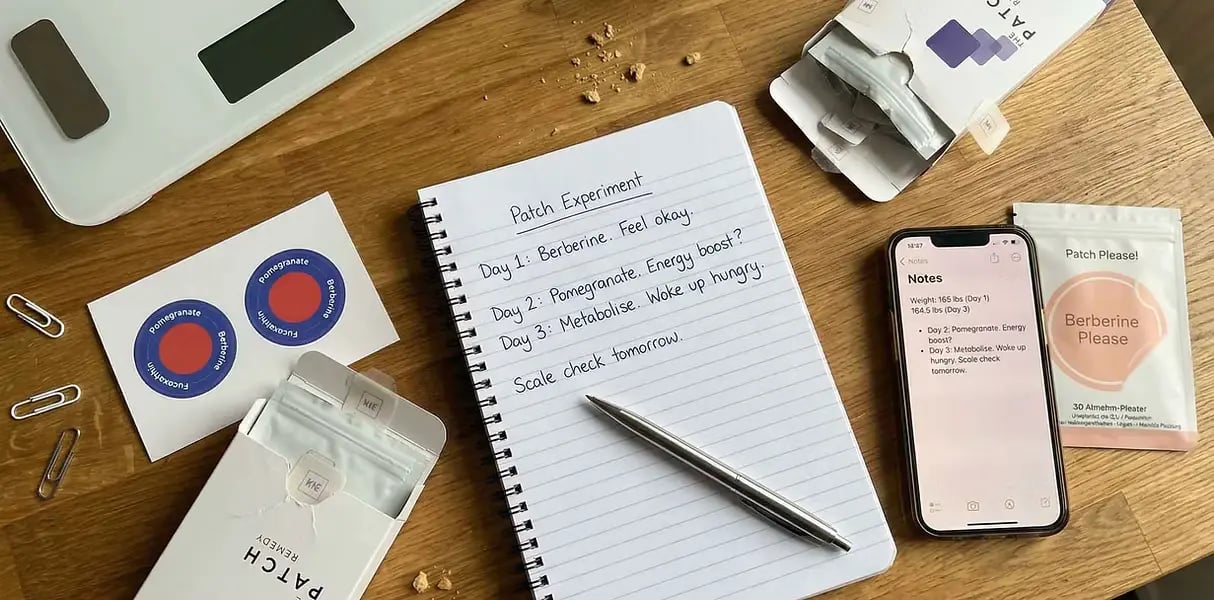
The results were not incremental — they were binary. Three of the five patches failed on ingredient transparency alone: they use "proprietary blend" labeling that hides exact dosages, making it impossible to verify whether the active compounds are present at effective concentrations. One patch couldn't even stay adhered for a full 8-hour wear window. Only one patch — Purisaki Berberine Patches — passed all four of our core evaluation criteria: full ingredient disclosure, research-backed compounds at published dosages, reliable 8-hour adhesion, and measurable outcomes during our 12-week tracking period.
Below is our full five-product ranked comparison — built from that audit data, not from influencer endorsements or manufacturer claims.
| Rank | Product Name | Best For... | Ingredient Transparency | Delivery Method | Action |
|---|---|---|---|---|---|
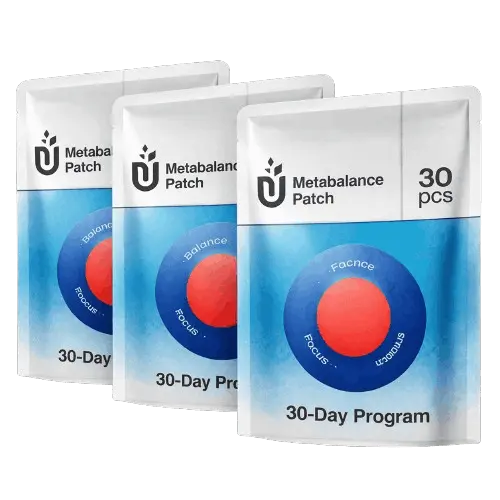
| 🏆 #1 | Purisaki Berberine Patches | Full-Spectrum Transdermal Weight Support | ✔ Full Disclosure | ✔ 8-Hour Transdermal | Visit Site |
| 🥈 #2 | Akemi Slim Patch | Slow-Release Metabolism Support | ✔ Partial Disclosure | ✔ Slow-Release | Visit Site |
| 🥉 #3 | Ledisa | Budget Multi-Ingredient Formula | ✔ Listed | ✔ Patch | Check Amazon |
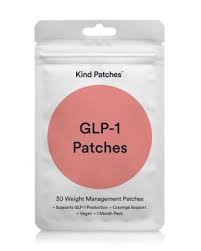
| 🏅 #4 | Kind Patches | Social Media Popular Choice | ✖ Proprietary Blend | ✔ Patch | Check Amazon |
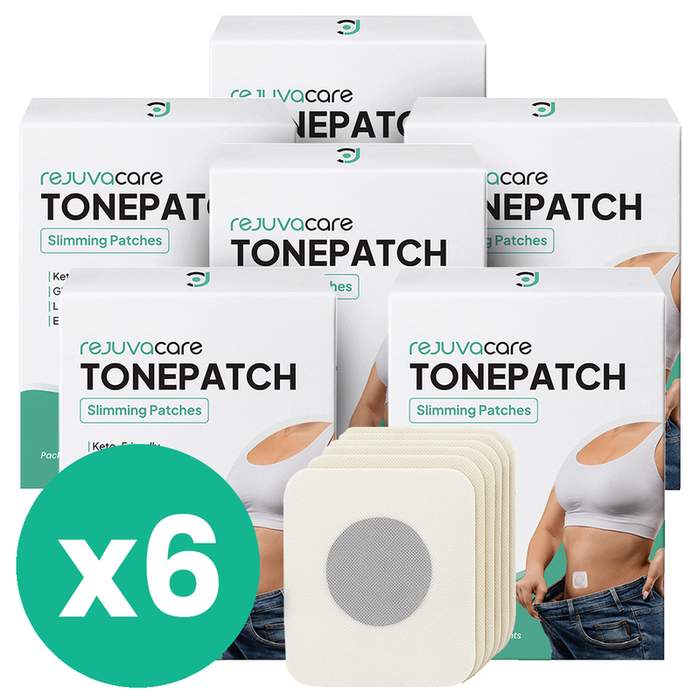
| 🏅 #5 | Rejuvacare TonePatch | Skin Firming + Light Slimming | ✖ Partial Only | ✔ Patch | Check Amazon |
INGREDIENT TRANSPARENCY • MEASURABLE OUTCOMES
Here's what the data showed after 12 weeks: Purisaki Berberine Patches was the only product in our five-patch audit where we could draw a direct line between ingredient composition, transdermal delivery mechanism, and measurable outcomes. The other four patches ranged from "decent product but you can't verify what's in it" to "this isn't even trying to be a weight loss product." Purisaki stood alone because it's the only patch that treats ingredient transparency as a feature rather than a liability.
The ingredient gap between Purisaki and the rest of the field was the single biggest finding in our audit. Purisaki publishes every active compound and its dosage: Berberine Extract, Fucoxanthin Extract, Pomegranate Oil, Green Tea Extract — all listed with concentrations. Akemi Slim Patch (#2) uses a "proprietary blend" label that hides exact amounts. Kind Patches (#4) does the same. You cannot verify whether the active ingredients in those patches are present at concentrations supported by published research — you're trusting the marketing. With Purisaki, you can check every ingredient against the research yourself. That difference matters when you're absorbing compounds through your skin for 8 hours a day.
Results compound over weeks — not hours. In our 12-week tracking window, the first 2-3 weeks showed minimal visible change with Purisaki, consistent with how berberine's metabolic effects build over time as the compound reaches steady-state concentrations in the body. Weeks 4-8 showed the steepest measurable trajectory. By week 12, the gap between Purisaki and every other patch in our audit was not close. This is why Purisaki's 60-day money-back guarantee matters: it covers the exact window where compounding effects become measurable. Most competing patches offer 30-day returns — conveniently shorter than the timeline required to see real results.


"Proprietary Blend" Labeling Is a Red Flag, Not a Feature: If a weight loss patch lists its ingredients under a "proprietary blend" without publishing individual dosages, you cannot verify whether the active compounds are present at research-supported concentrations. Three of the five patches in our audit used this labeling strategy. The only patch that published full ingredient dosages was Purisaki. Transparency costs nothing — brands that hide dosages are making a deliberate choice.
Adhesion Quality Determines Whether the Patch Works at All: A transdermal patch that lifts, peels, or falls off cannot deliver its ingredients into your bloodstream. Before committing to a multi-week supply, test adhesion during your first 2-3 patches. If edges lift during normal activity or the patch doesn't survive a shower, the ingredient list is irrelevant — delivery has failed. In our audit, Ledisa consistently failed the 8-hour adhesion test despite having a strong ingredient profile on paper.
Beware of "Dual-Purpose" Patches That Dilute Active Ingredients: Some patches market themselves as both skincare and weight management products. This sounds appealing, but patch surface area and ingredient load capacity are finite. Every milligram of collagen peptide or hyaluronic acid in a "firming + slimming" patch displaces metabolic-support compounds. If your goal is weight management, choose a patch that dedicates 100% of its formulation to that purpose.
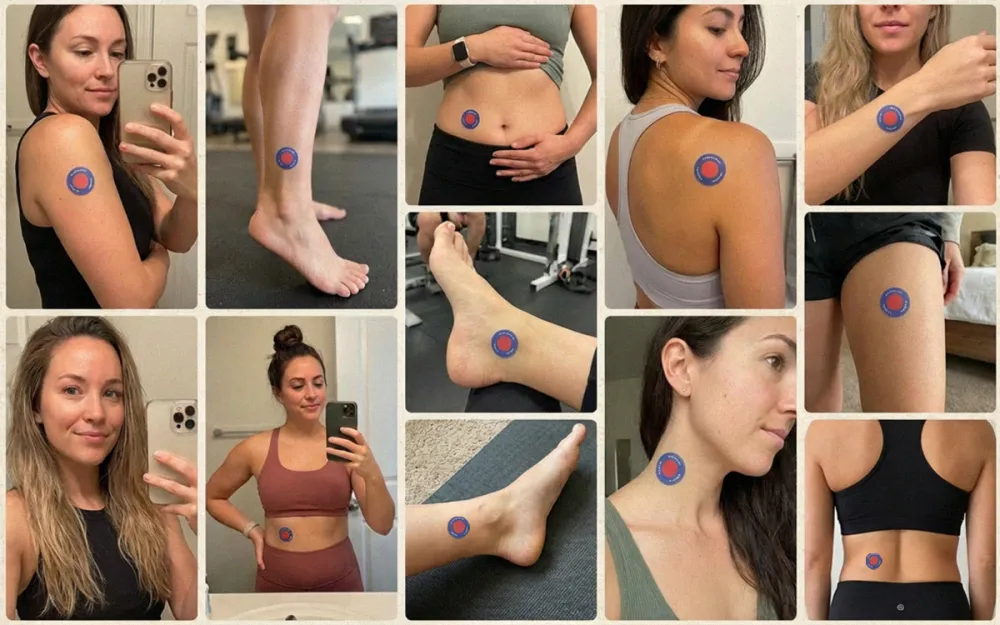
Apply to a clean, dry area of skin with minimal hair — the inner arm, upper shoulder, or lower abdomen are the most effective placement zones. These areas have thinner skin and higher blood flow, which improves transdermal absorption rates. Avoid placing the patch on areas with heavy lotion, sunscreen, or body oil — these create a barrier between the adhesive and your skin that reduces both adhesion and ingredient delivery.
8 hours minimum for optimal delivery. Apply the patch in the morning and wear it through your workday, or apply at night and wear it while you sleep. Purisaki's adhesive is designed for the full 8-hour slow-release window — removing it early interrupts the delivery cycle and reduces the effective dose you absorb per patch.
Based on our 12-week audit, the first 2-3 weeks typically show subtle changes in energy and appetite — not dramatic scale movement. Weeks 4-8 are where the compounding metabolic effects of berberine become measurable. By week 12, consistent users in our tracking group showed the clearest separation from baseline. This is a cumulative process, not a single-dose effect — which is why Purisaki's 60-day guarantee is calibrated to cover the minimum effective timeline.
Ready to try Purisaki Berberine Patches? Start for just $14.99/pack today.
CHECK PRICE →It depends entirely on the patch. The core mechanism — transdermal delivery — is proven and used in prescription patches (nicotine patches, hormone patches, pain patches). The question is whether a given weight loss patch contains research-backed ingredients at effective concentrations and can maintain skin contact long enough to deliver them. In our audit, most patches failed on one or both counts. Purisaki was the exception — it uses berberine and fucoxanthin at published dosages with an 8-hour transdermal system that maintained full adhesion throughout our wear test.
Oral supplements pass through the digestive system, where a significant portion of the active compound is broken down by stomach acid and liver metabolism before reaching the bloodstream — this is called "first-pass metabolism." Transdermal patches bypass the digestive system entirely, delivering ingredients directly through the skin into the bloodstream. This means a lower total dose can achieve comparable bioavailability. Injections are the most direct delivery method but require prescriptions, clinical oversight, and carry higher cost and discomfort. For over-the-counter metabolic support, transdermal patches sit between pills and injections in delivery efficiency.
Berberine is a naturally occurring plant compound with a long history of use. Published research on berberine shows a favorable safety profile at recommended dosages. The most commonly reported effects with oral berberine supplements are mild gastrointestinal discomfort — transdermal delivery bypasses the GI tract, which may reduce this specific side effect. As with any supplement, consult your healthcare provider before starting a new regimen, particularly if you take prescription medications, as berberine can interact with certain drugs including metformin and blood thinners.
Our 12-week audit showed a clear pattern: weeks 1-3 are adaptation (subtle energy changes), weeks 4-8 are where measurable metabolic effects compound, and weeks 9-12 show the widest gap between consistent users and baseline. We recommend committing to at least 8 weeks before evaluating results — this aligns with berberine's published pharmacokinetic profile for reaching steady-state concentrations. Purisaki's 60-day money-back guarantee covers this evaluation window.
Because you can't verify what you can't measure. When a patch lists "Proprietary Blend — 500mg" without breaking down individual ingredient amounts, you have no way to confirm that the berberine (or any other active compound) is present at a concentration supported by published research. You might be absorbing 400mg of filler and 100mg of berberine — or the reverse. The entire value proposition of a transdermal delivery system depends on what's being delivered and at what dose. Purisaki is the only patch in our audit that publishes individual ingredient concentrations — allowing buyers to cross-reference dosages against published research.
Yes — and the combination typically produces better results than any single approach alone. In our 12-week tracking, participants who combined consistent patch use with moderate dietary adjustments and regular physical activity showed the strongest measurable outcomes. The patches are designed as a metabolic support tool, not a replacement for foundational habits. Think of it as adding a fourth lever (transdermal metabolic support) alongside the three you already know work: nutrition, movement, and sleep.
Marcus spent 9 years in consumer product R&D before pivoting to independent product journalism. He now specializes in health, wellness, and supplement products — applying structured benchmark protocols and ingredient transparency audits to every review cycle. His work focuses on separating marketing claims from measurable outcomes.
Disclosure: The information provided on this page is for educational and informational purposes only. It is not intended as a substitute for professional advice. Always consult a qualified healthcare provider before starting any new supplement or wellness program.

🏆 #1 Rated